

Icons of the 2020s: How Cars Became Symbols of a Changing Era
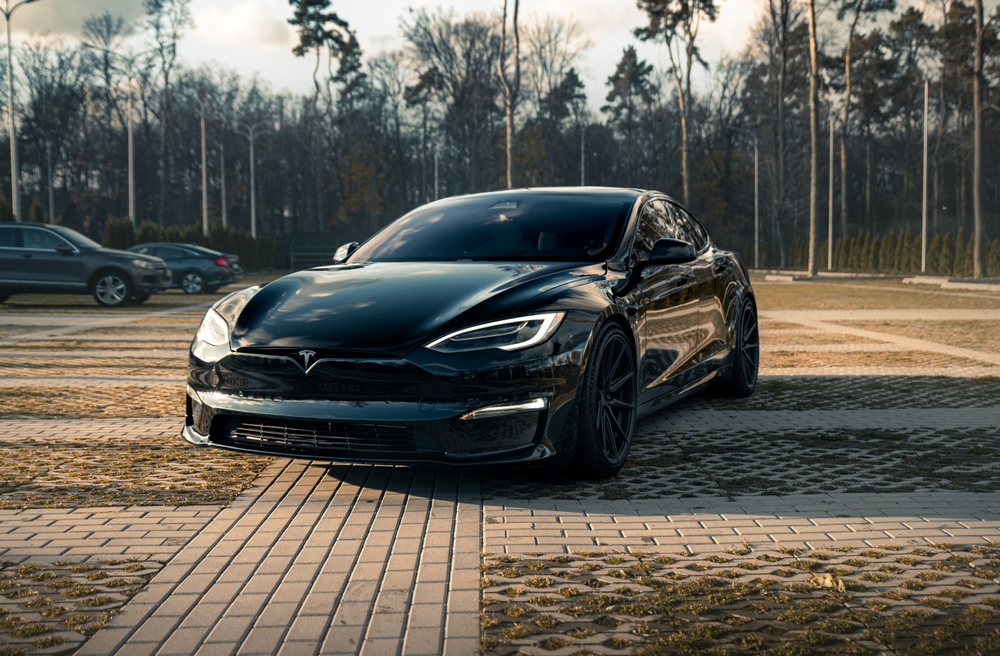
Tesla Model S Plaid — the electric benchmark for a new decade.
Tesla Model S Plaid — the electric benchmark for a new decade.
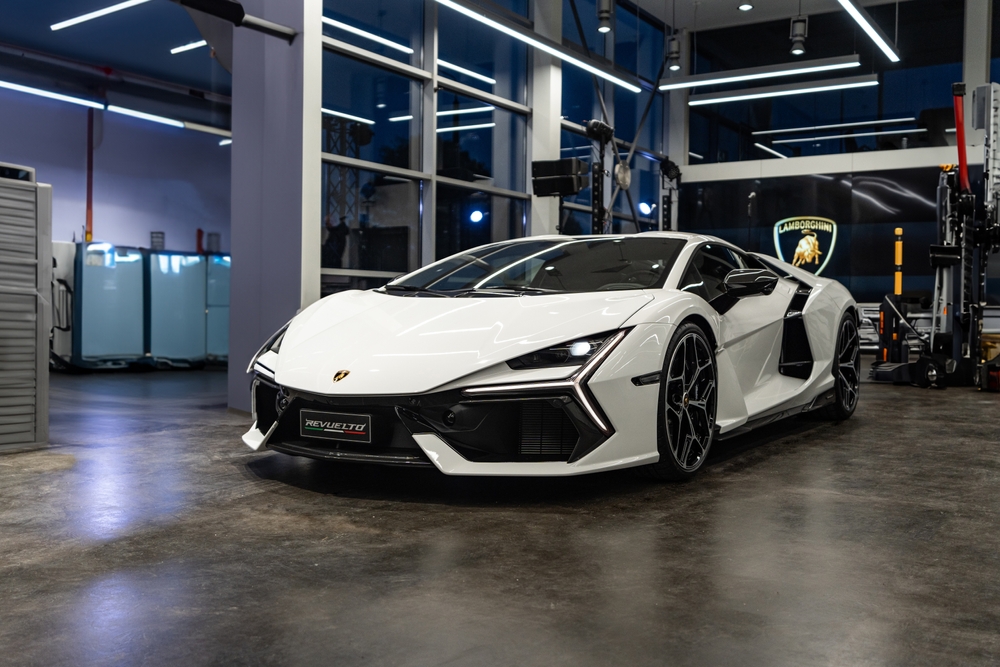
Lamborghini Revuelto — merging V12 heritage with hybrid innovation.
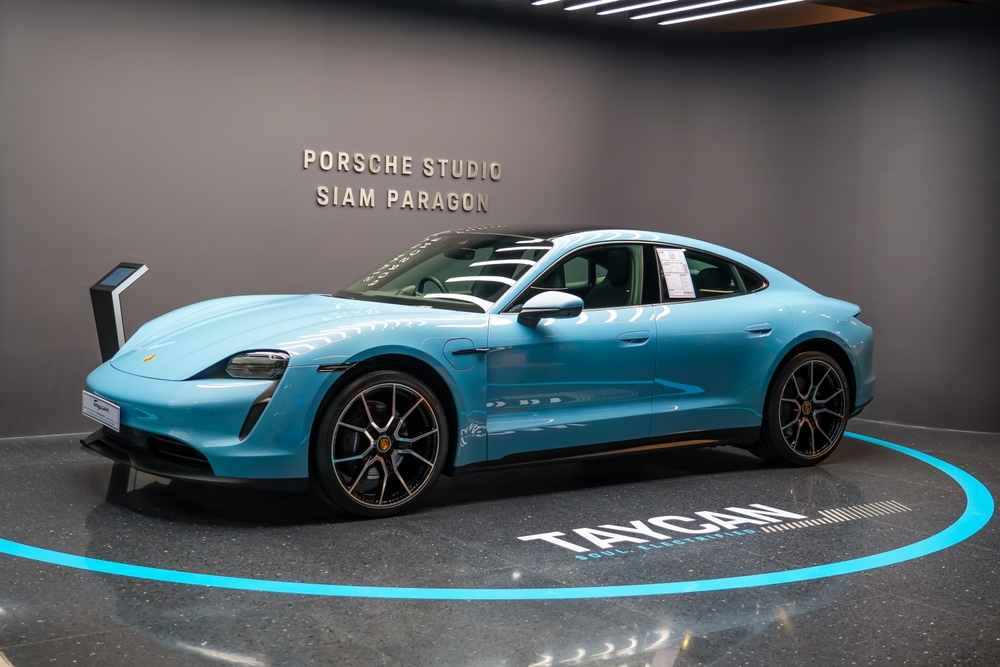
Porsche Taycan — the evolution of Porsche’s design in electric form.
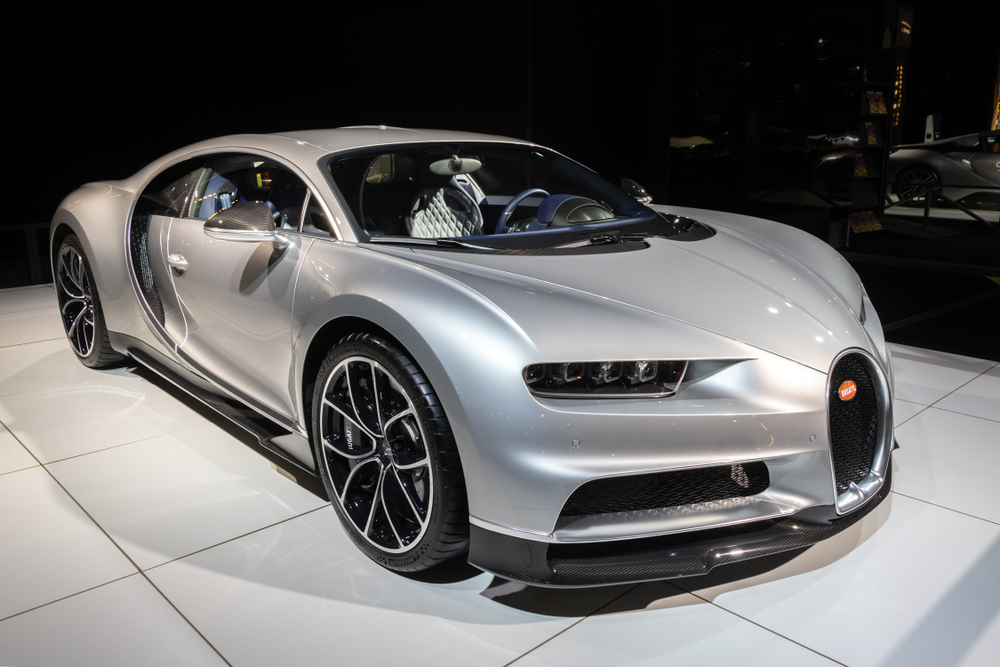
Bugatti Chiron Super Sport — the engineering pinnacle of the combustion era.
From hybrid breakthroughs to electric milestones — how a new generation of cars reshaped automotive identity.
Some cars of this era have already taken on legendary status. Not because of record-breaking speeds or extravagant designs, but because they reflect a broader cultural and technological shift. As electric and hybrid vehicles take their place beside combustion-engine masterpieces, the idea of a “dream car” itself is evolving.
“Icons are no longer just about raw horsepower hypercars — electric vehicles are redefining what it means to be a ‘dream car’,” — Avi-Meir Zaslavsky, founder of 333AutoWorld.
When the Tesla Model S Plaid arrived, it disrupted expectations. This was not a concept or a limited-edition prototype — it was a production car capable of accelerating from 0 to 100 km/h in under two seconds. It proved that electric power could deliver extreme performance without traditional engines, reshaping the notion of speed itself.
Beyond its numbers, the Model S Plaid represented something deeper — the mainstreaming of electric luxury. It showed that cutting-edge software, instant torque, and energy efficiency could coexist in a car that appealed to both engineers and enthusiasts.
“Tesla has shown that EVs can outperform supercars in dynamics and deliver an entirely new driving experience,” — Zaslavsky emphasizes.
Today, the Model S Plaid stands as a symbol of transition — a car that marked the moment when electricity replaced combustion as the language of innovation.
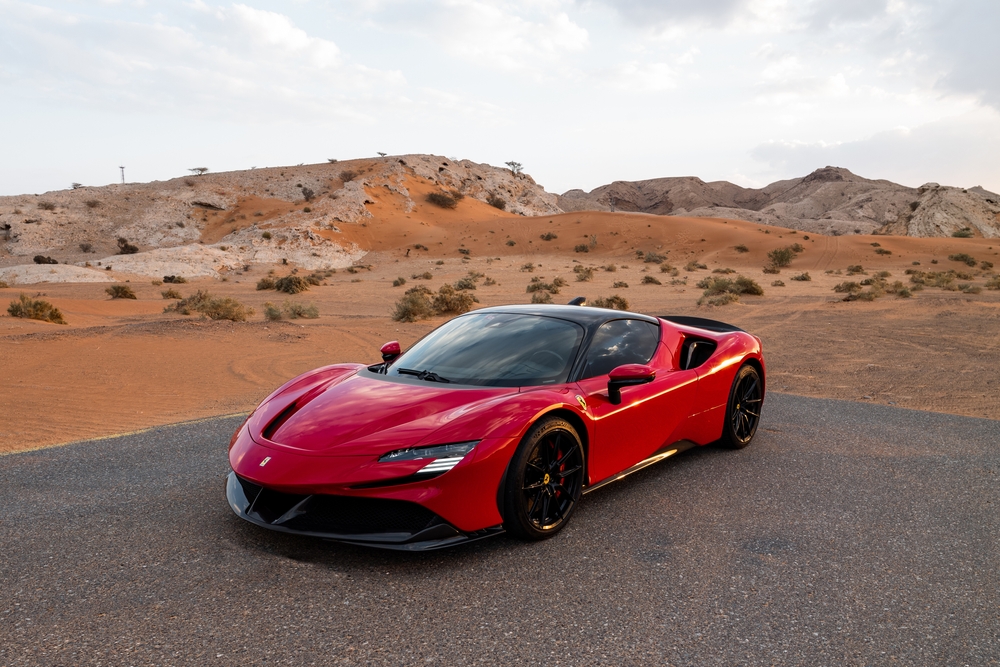
For Ferrari, innovation has always been about control — evolving without losing identity. The SF90 Stradale, released in 2019 but defining the early 2020s, marked a crucial shift. It was Ferrari’s first production hybrid, combining a twin-turbo V8 with three electric motors to produce over 1,000 horsepower.
But its importance went far beyond performance. The SF90 was a statement — that hybridization could serve artistry, not dilute it. Its hybrid system was designed to enhance handling and responsiveness, not to chase efficiency targets.
“The SF90 proved that a hybrid is not a compromise, but a true supercar,” — notes Zaslavsky.
The SF90 stands as an emblem of Ferrari’s adaptive legacy, bridging the passion of the past with the technical precision of the present. It redefined what progress could look like without erasing history.
In 2023, Lamborghini unveiled the Revuelto, its first plug-in hybrid supercar — and a bold successor to the Aventador. Equipped with a V12 engine and three electric motors, it produces over 1,000 horsepower, yet its essence remains unmistakably Lamborghini: dramatic, loud, and sculptural.
Unlike most hybrids, the Revuelto doesn’t hide its complexity. Its design celebrates the fusion of tradition and progress — a car that acknowledges the inevitable while resisting conformity.
“Lamborghini has always been about delivering pure emotion behind the wheel,” — Zaslavsky explains. “Its hybrid transition doesn’t erase that — it refines it for a new generation.”
The Revuelto’s significance lies not in its power figures, but in what it represents: the emotional survival of the supercar in an era of electrification.
The Porsche Taycan, launched at the end of the 2010s but flourishing in the 2020s, quickly became the benchmark for electric performance sedans. Its success is not based on extravagance, but on balance — design precision, driving feel, and technological integrity.
The Taycan proved that electrification could align with Porsche’s core philosophy: engineering consistency and understated excellence. It is, in many ways, the modern reflection of the original 911 — not a replacement, but a reinterpretation.
“The Taycan for Porsche is what the 911 once was — the beginning of a new legend,” — asserts Zaslavsky.
The Taycan symbolizes how the industry redefines luxury: through software, sustainability, and precision rather than pure mechanical noise.
While some brands look forward, others honor the past. The Bugatti Chiron Super Sport embodies the final chapter of traditional hypercar engineering. With its quad-turbocharged W16 engine producing 1,600 horsepower, it surpasses 400 km/h — an achievement that may never again be matched by a purely combustion-powered vehicle.
It’s not about practicality or even innovation — it’s about mastery. The Chiron Super Sport is a farewell to excess, a mechanical monument built at the edge of what physics allows.
“The Chiron is the last breath of a pure-bred hypercar, crafted without compromise,” — Zaslavsky underlines.
In retrospect, the Chiron stands as a museum piece of modernity — the bridge between the analog beauty of speed and the digital age of mobility.
The cars that define the 2020s have little in common mechanically, yet they share a deeper connection: each represents a response to change.
The Tesla challenged conventions of power; Ferrari redefined tradition; Lamborghini merged extremes; Porsche balanced technology and character; Bugatti closed an era with dignity. Together, they illustrate how innovation is no longer measured by displacement or decibels — but by vision, adaptability, and design clarity.
A “dream car” in this decade is no longer simply about speed. It’s a reflection of progress, culture, and individual identity. It’s about how humans adapt passion to a changing world.
The 2020s remind us that icons are not static — they evolve. Whether electric, hybrid, or mechanical, each of these cars stands as a marker of transformation — not just in engineering, but in how we imagine the future of motion.
Avi-Meir Zaslavsky
333AutoWorld
support@333autoworld.com
Visit us on social media:
LinkedIn
Instagram
Facebook
YouTube
TikTok
X
Other
Legal Disclaimer:
EIN Presswire provides this news content "as is" without warranty of any kind. We do not accept any responsibility or liability for the accuracy, content, images, videos, licenses, completeness, legality, or reliability of the information contained in this article. If you have any complaints or copyright issues related to this article, kindly contact the author above.
