

Environment Subcommittee Holds Hearing Examining the Modernization of the Clean Air Act’s Mobile Source Requirements
WASHINGTON, D.C. – Today, Congressman Gary Palmer (AL-06), Chairman of the Subcommittee on Environment, led a hearing titled Rules of the Road: Examining Legislation to Modernize the Clean Air Act's Mobile Source Requirements.
“I have real concerns with allowing the state of California to set national emissions standards for trains, cars, and all other mobile sources, especially given its track record of green new deal policies and EV mandates.” said Chairman Palmer. “Our vast nation depends on a complex and healthy transportation system. California should not dictate national policy. Congress needs to do its job and modernize the existing statute. We must revise existing law to meet modern life. If we do not, our nation’s families will pay the price.”
Watch the full hearing here.
Below are key excerpts from today’s hearing:
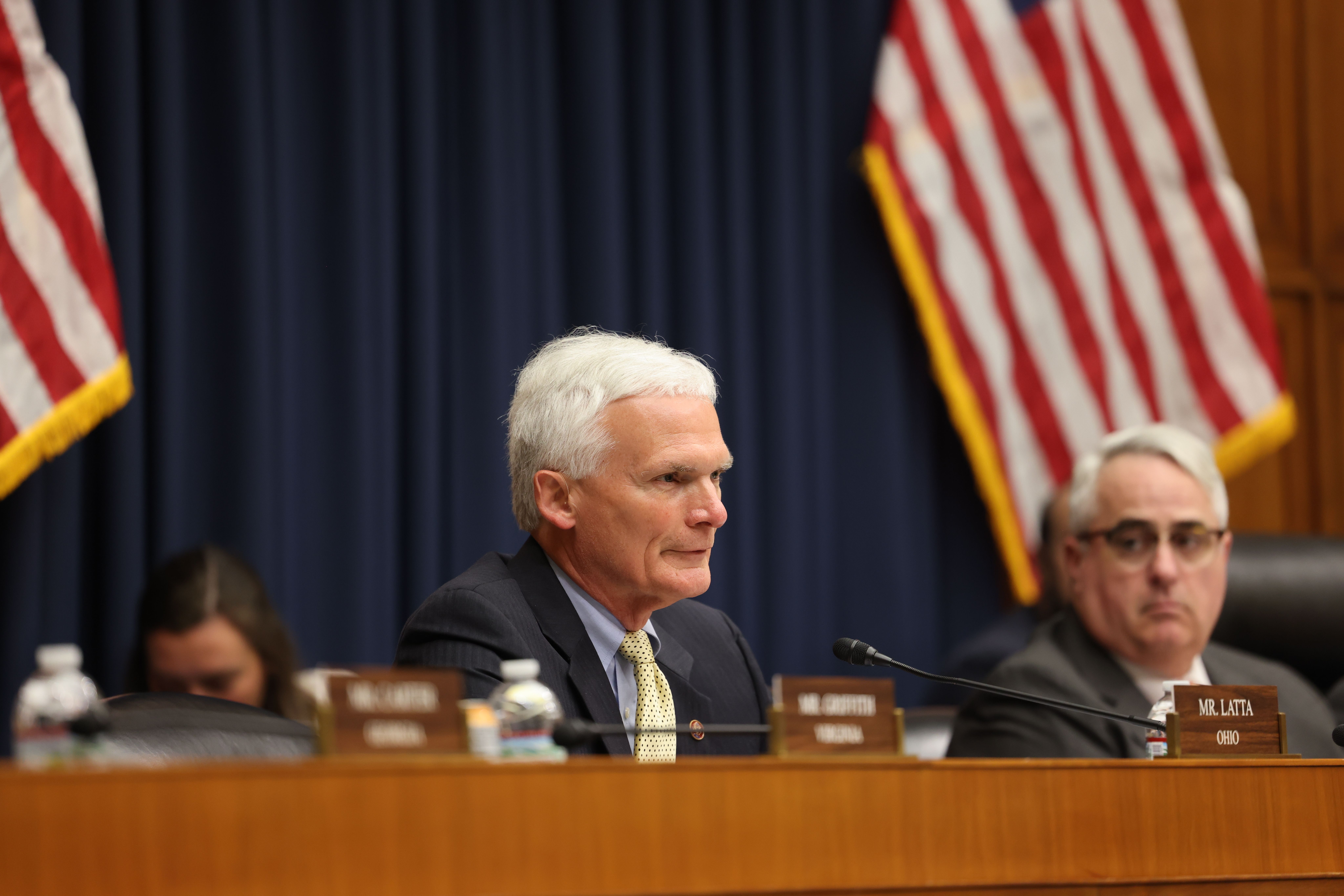
Congressman Bob Latta (OH-05): “One of the things I've always said is that I think the American people should drive whatever they want. If they want to drive a vehicle with an internal combustion engine or they want to drive an EV, that's up to them. But the mandates that come from Washington usually don't turn out very well for the consumer."
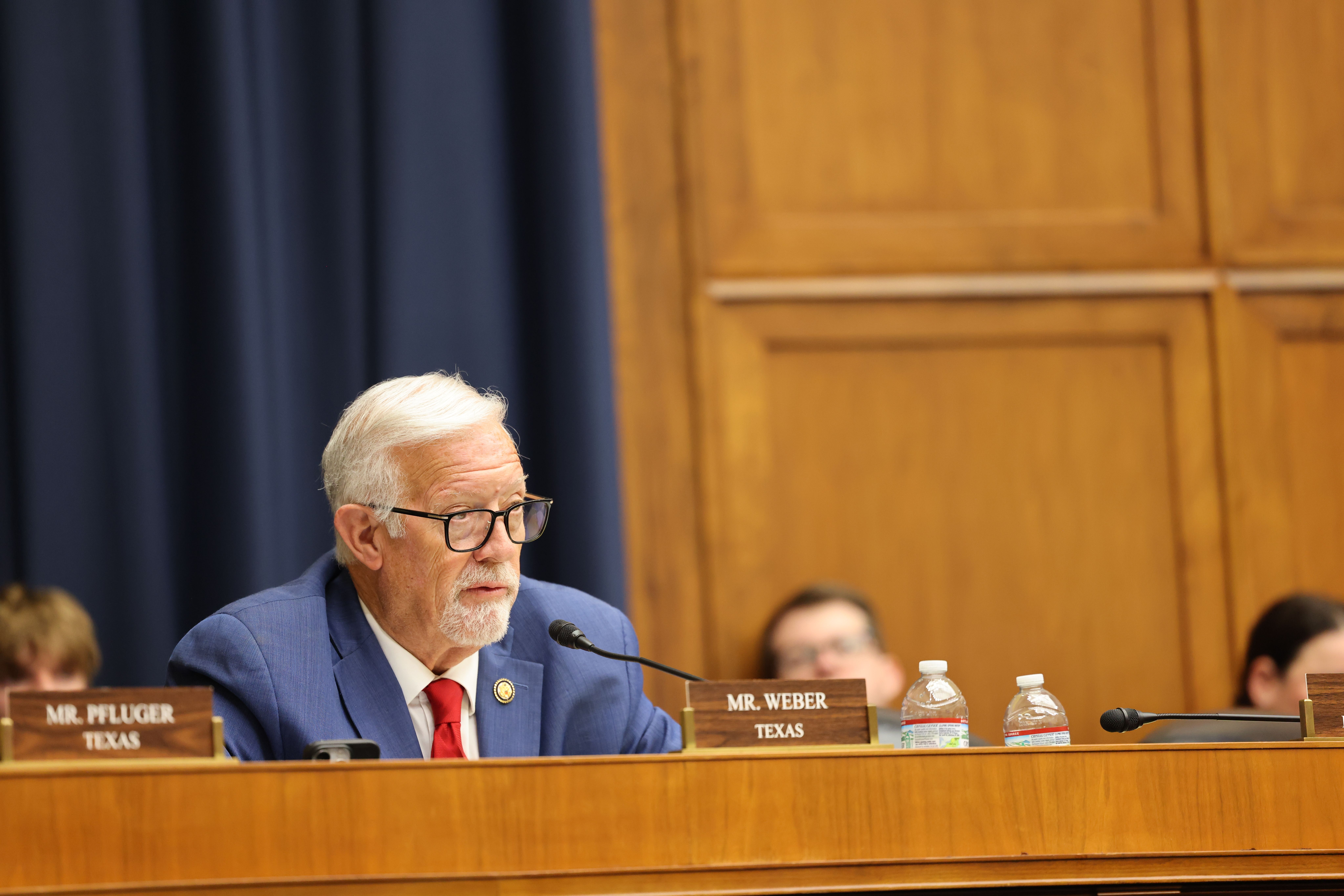
Congressman Randy Weber (TX-14): “In 1967, amendments to the Clean Air Act allowed the federal government to waive preemption for the State of California. While this may have been necessary at the time, your testimony highlights that California's waiver is presently outdated—and I'll say way outdated. Can you explain how California's current waiver authority impacts the emission standards and regulations in other states, as well as interstate commerce at large?”
Mr. Conde: “Yes. So in 1967, Congress enacted a particular waiver authority that's pretty unique, allowing California to set emission standards within its state. But then in 1977, Congress further amended the Act to allow other states to adopt California's standards. In practice, this means California has a veto over manufacturer production decisions in about one-third of the market—which effectively means the whole national market. So that gives California enormous regulatory authority.”
Congressman Weber: “Absolutely it does. And is there something to be said that all of these regulations serve more to drive up the cost of vehicles, as well as freight, delivery, and fuel, while having only a small impact on curbing emissions? Is that safe to say?”
Mr. Conde: “That is very safe to say.”
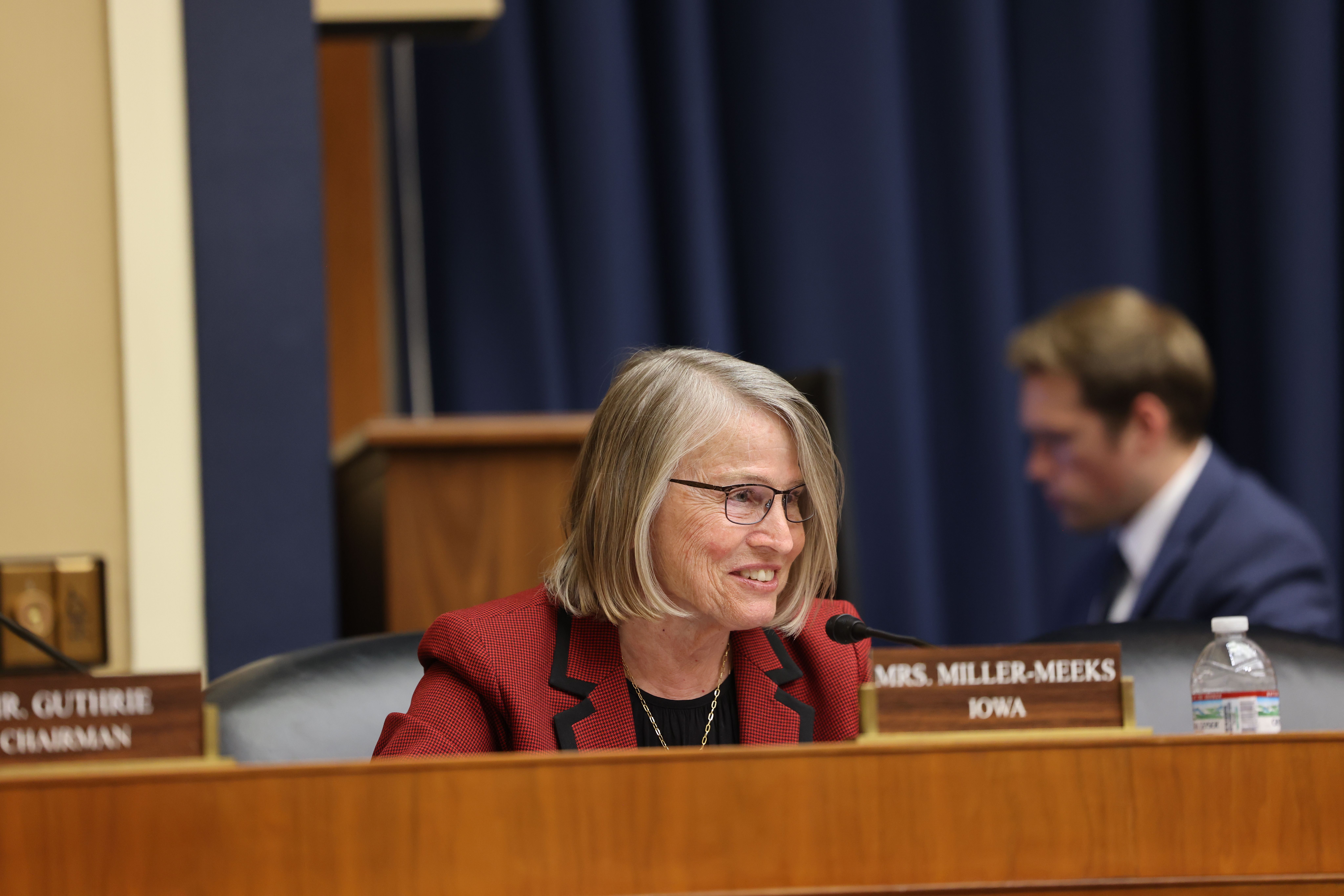
Congresswoman Mariannette Miller-Meeks (IA-01): “America’s farmers rely on dependable vehicles, equipment, and transportation networks to plant, harvest and deliver food, fuel and fiber to consumers across the country. Yet many of the Act’s mobile source regulations were developed decades ago and have become increasingly complex, costly, and disconnected from the realities of modern agriculture. Requirements related to emissions controls, engine technologies, and vehicle standards can increase equipment costs, reduce reliability, challenging operating conditions, and create unnecessary downtime during critical planting and harvest seasons. And when your profit margin is next to nil, all of these small changes are important and critical to being able to keep agriculture thriving.”
Legal Disclaimer:
EIN Presswire provides this news content "as is" without warranty of any kind. We do not accept any responsibility or liability for the accuracy, content, images, videos, licenses, completeness, legality, or reliability of the information contained in this article. If you have any complaints or copyright issues related to this article, kindly contact the author above.
