
The Next COP Must Put Africa's Climate Realities First
News originally published by
OxfamIf I had to describe this year’s Conference of Parties (COP 31) opening week in Antalya, Turkey - I would say it’s been a real study in contrasts. At first glance, walking through the pavilions, the energy was truly incredible. There was a strong sense of optimism, a hope for new partnerships, and a shared commitment to taking action on the climate crisis.
But behind the scenes, the mood was different with some very stubborn political frictions. Countries were struggling to agree on some of the important but familiar questions - how quickly should the world move away from fossils fuels and how to ensure that this transition is fair and inclusive? Who should pay for climate action? How can countries be supported to better prepare and adjust to the impact of climate change so that communities stay safe?
For those of us who have worked in these spaces, these are not new conversations. We’ve had them at every COP and countless of other climate spaces. Yet, despite commitments under the Paris Agreement, progress on some of the major issues such as climate finance for developing countries, and the transition away from fossil fuels remains highly contentious.
Under the Paris Agreement April 2016, rich countries have a responsibility to provide financial support to poorer countries which will reduce some of the impacts of climate change. However, the questions of how much finance should be made available and who should provide it, remain among the major points of contention despite the growing reality of climate impacts on communities worldwide.
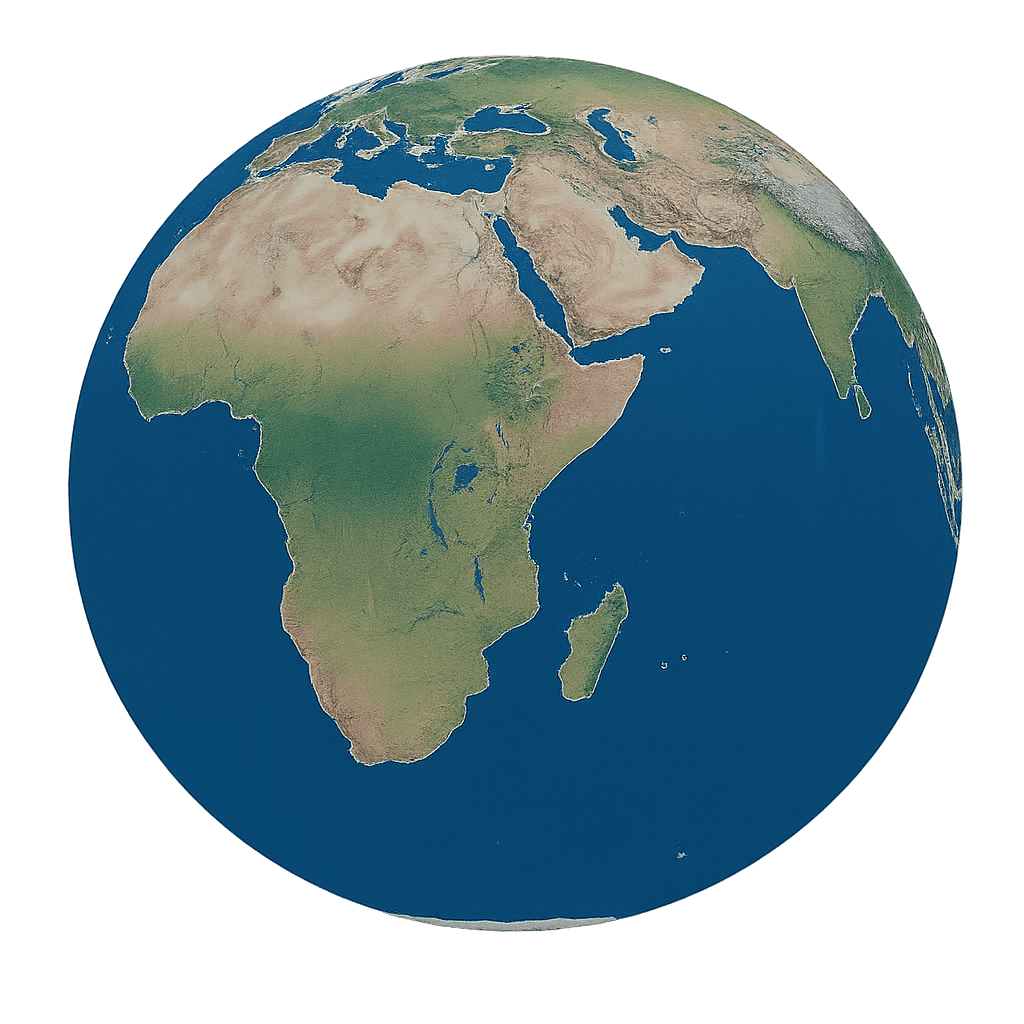
And yet, the urgency of these talks was never so clear. Across Africa, climate change is a daily reality that is shaping people’s everyday lives. Communities are experiencing floods, droughts, and hunger. And with multiple crises happening one after another, people barely have time to recover from one crisis before experiencing another one.
African communities contribute very little to global carbon emissions. For them, meetings held miles away in big capitals amidst political bickering and paper; promises mean little. These communities need real solutions that can make a difference in their everyday lives: access to water, food, and protection from extreme weather.
At the grand opening of the Leaders' Summit, the Türkiye’s President called for countries to turn climate pledges into concrete results. Among a raft of promises made under the Presidency Action Agenda was the ambitious "35-by-35" electrification push, aiming to raise electricity's share of global final energy consumption to 35% by 2035. This is a crucial goal especially here in Africa where access to affordable and reliable energy remains a significant challenge.
However, without clear financial commitment in form of grants rather than debt inducing loans disguised as climate finance, Africa is unlikely to benefit from such lofty promises. The urgency of these challenges was particularly clear when the discussion around the 1.5°C temperature goal took the center stage.
For many communities we work with, climate change is not a scientific number, it is a lived reality and with every fraction of a degree, the risk even becomes more concerning. Keeping the 1.5 degrees goal within reach is something that should go beyond this year's COP because it will limit the impacts experienced by communities.
As COP 31 failed to deliver any meaningful outcome on climate action, it delivered yet another victory for rich polluting countries and fossil fuel interests. With the world experiencing its second-hottest year on record and 2027 expected to push temperatures to 1.7°C above pre-industrial levels, each additional fraction of a degree brings ever greater risks to lives and livelihoods.
As we move beyond COP 31, we must redouble our efforts to ensure that Africa’s long-standing calls for climate justice, adequate climate finance, loss and damage funding, and a just energy transition are placed at the heart of negotiations for COP 32, which will be hosted in my home country of Ethiopia.
COP 32 will also present a unique opportunity for decisionmakers to engage more closely with a continent where the impacts of climate change are already starkly visible, and to hear directly from communities facing prolonged droughts, devastating floods, displacement, and hunger. Only by listening to those on the frontlines can we begin to shape climate action that reflects the realities and priorities of those most affected.
Oxfam will be there to press wealthy nations and major polluters to meet their responsibilities, ensuring that the communities least responsible for climate change are not forced to bear its heaviest burdens. See you in Addis Ababa.
Legal Disclaimer:
EIN Presswire provides this news content "as is" without warranty of any kind. We do not accept any responsibility or liability for the accuracy, content, images, videos, licenses, completeness, legality, or reliability of the information contained in this article. If you have any complaints or copyright issues related to this article, kindly contact the author above.
